New mothers often experience a number of challenges due to changes to their bodies during and after pregnancy, and one common example is the realm of pelvic floor issues. One quality approach to remedying pelvic floor concerns due to recent pregnancy is known as pelvic manual therapy – what is this, and why is it effective?
At ImPackt Physical Therapy, we’re here to offer a variety of manual therapy services to various patients around South Jordan, Riverton and nearby parts of Utah, including pelvic manual therapy for new moms or any other patients dealing with pelvic floor concerns. Here are some basics on common postpartum pelvic floor issues, plus how pelvic manual therapy helps restore both function and confidence in new moms experiencing these concerns.
Examples of Postpartum Pelvic Floor Issues
For new moms, a few different examples of postpartum pelvic floor issues may arise:
Instability
One of the most common pelvic floor concerns for new moms is that of instability, which may come in several different forms. It’s common to experience mild incontinence issues during or after pregnancy, including when sneezing, laughing or exercising – this occurs because the muscles are over-stretched and weakened.
For instance, diastasis recti, where the abdominal muscles separate during pregnancy or delivery, affects as many as 2/3rds of all pregnant women. The result is a weakened core and reduced stability in the pelvic floor.
Incontinence
As mentioned above, mild incontinence is common postpartum. However, some women may experience more severe cases of incontinence that can significantly impact their daily lives. This could include difficulty controlling bowel movements or experiencing regular urinary leakage.
Severe Tightness
Many new moms may also experience tightness in their pelvic floor muscles postpartum. This can be due to the stretching and strain put on these muscles during pregnancy and childbirth. It is important to address this tightness through exercises and stretches, as it can lead to pain, discomfort, and even urinary or fecal urgency.
Pelvic Pain
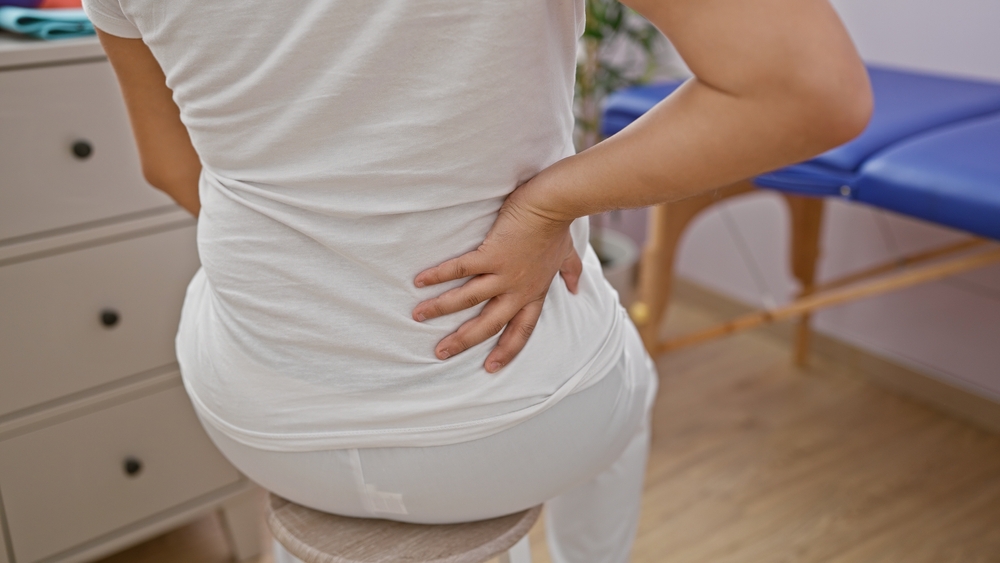
And because the pelvic floor muscles play such a crucial role in supporting the pelvic organs, any issues or dysfunctions can also result in pelvic pain. This can be caused by a variety of factors, including muscle imbalances, poor posture, and scar tissue from childbirth. Seeking treatment from a healthcare professional, such as a physical therapist who specializes in women’s health, can help alleviate this pain and improve overall pelvic floor function.
Mental Health
Beyond the physical symptoms, postpartum women may also experience mental health challenges related to their pelvic floor. In addition to hormonal changes and sleep deprivation that can contribute to postpartum depression and anxiety, issues with bladder control or sexual dysfunction may also lead to feelings of embarrassment and shame.
What is Manual Pelvic Therapy?
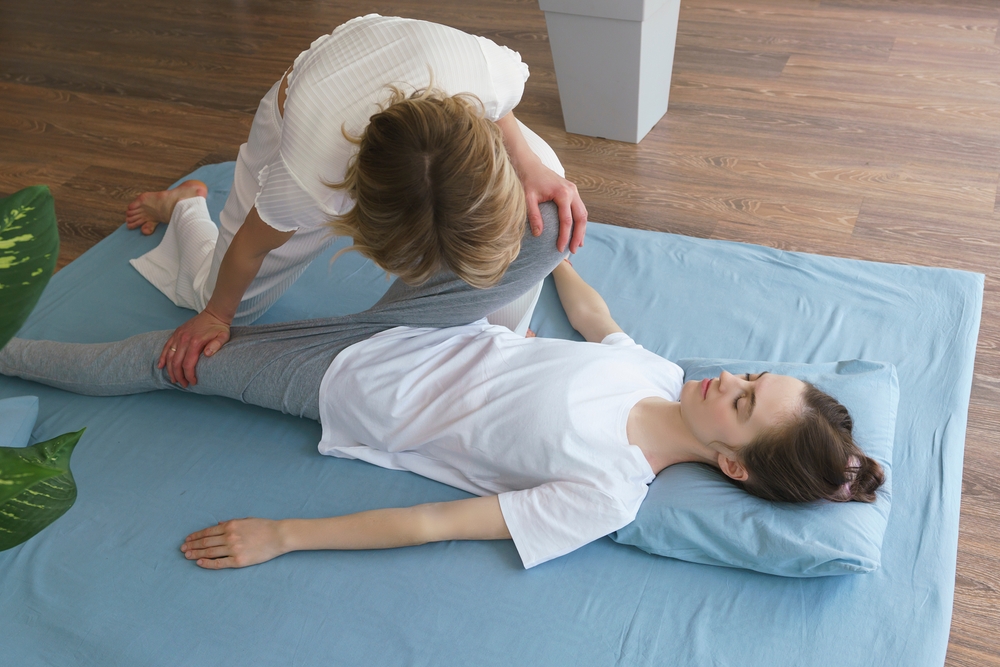
For those just learning about pelvic floor health, the concept of manual pelvic therapy may be new. Simply put, it is a hands-on treatment approach used by physical therapists and other healthcare providers to target specific muscles and tissues in the pelvic floor area. This can involve various techniques such as massage, stretching, trigger point release, and biofeedback to help address any issues or dysfunctions.
Benefits of Pelvic Manual Therapy
By targeting the specific muscles and tissues in the pelvic floor, manual pelvic therapy can help improve overall pelvic floor function. Some potential benefits may include:
- Improved bladder control: By strengthening weak muscles or relaxing tight ones, manual pelvic therapy can help improve bladder control and reduce symptoms of urinary incontinence.
- Reduced pain and discomfort: Many patients with pelvic floor dysfunction experience pain, discomfort, or pressure in the pelvic region. Manual therapy techniques can help alleviate these symptoms and improve overall comfort.
- Better sexual function: By targeting muscles involved in sexual activity, manual pelvic therapy may help improve sexual function and reduce any related pain or discomfort.
- Enhanced mobility: Tight muscles or connective tissues in the pelvic floor can restrict movement and contribute to issues such as constipation or difficulty urinating. Manual therapy techniques can help loosen these tissues and improve mobility.
Mental and Confidence Value
Manual pelvic therapy doesn’t just improve physical function, but it can also have a positive impact on mental and emotional well-being. By addressing pelvic pain or dysfunction, individuals may experience reduced anxiety, improved self-esteem, and increased confidence in their daily activities. This can lead to an overall improvement in quality of life and general sense of well-being.
At ImPackt Physical Therapy, we’re here to provide the best pelvic manual therapy services available around South Jordan, Riverton and nearby areas for new moms experiencing pelvic issues. Contact us today for our caring, effective treatment services.